Okavango Delta
World's biggest inland delta is a magnet for visitors
The Okavango Delta is the best known and most visited tourist attraction in Botswana.
Access to the Delta is via Maun, with its frequent flights to Gaborone and Johannesburg and its fleet of light aircraft that fly guests directly to their bush camps.
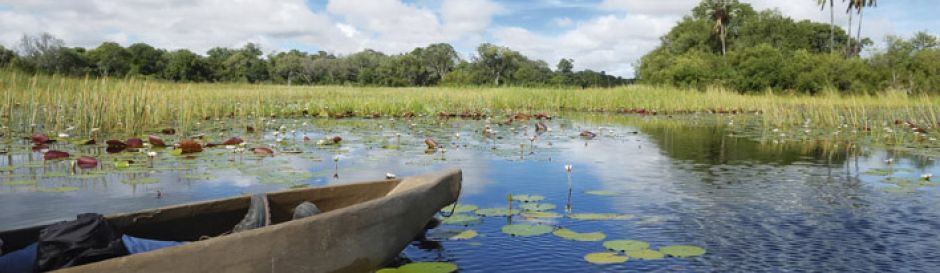
The Okavango was once part of Lake Makgadikgadi. The Delta has no outlet to the sea and as a result must to empty its waters into the Kalahari Desert. It is easily the world’s biggest inland delta.
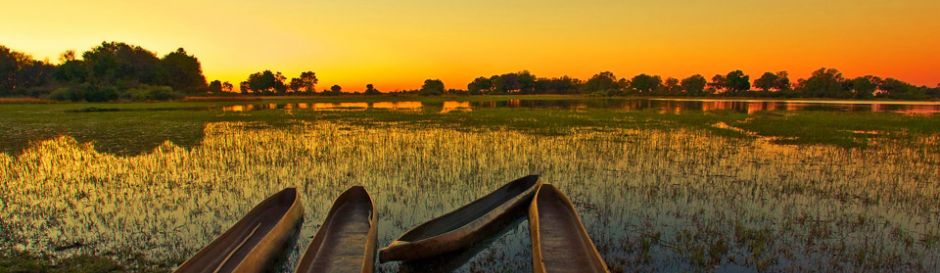
Each year, during and shortly after the rainy season, the Delta irrigates about 15,000 sq km of desert. However, the high temperatures of the Kalahari ensure much of this excess water quickly evaporates.
This seasonal flooding commences midsummer in the north and ends a few months later in the south of the Delta. This results in water rising in the north as it recedes in the south in summer, and rising in the south as it recedes in the north in winter.
The overall impact of this flooding is benign, with floodplains and islands disappearing under the rising water and then reappearing in an ever-changing landscape at the end of each wet season.
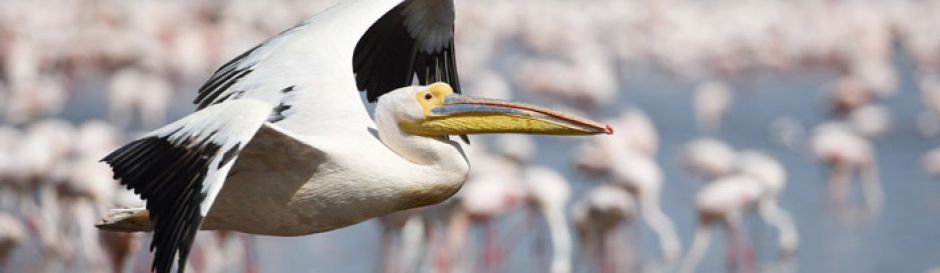
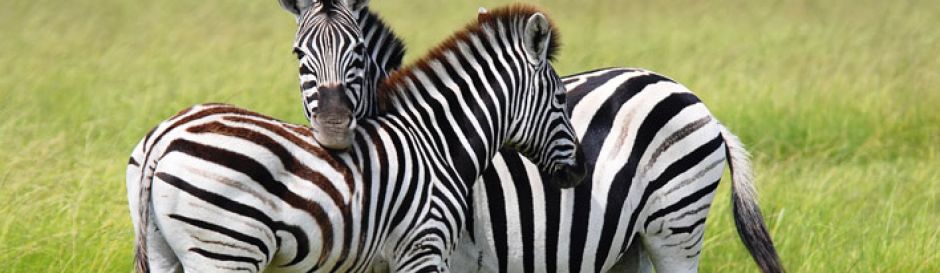
Depending on the season, the Okavango hosts a wide variety of game: elephant, buffalo, rhino (black and white) and hippo as well as the big cats (lion, cheetah and leopard) and other predators such as hyenas and wild dogs. The Delta also boasts over 400 bird species.
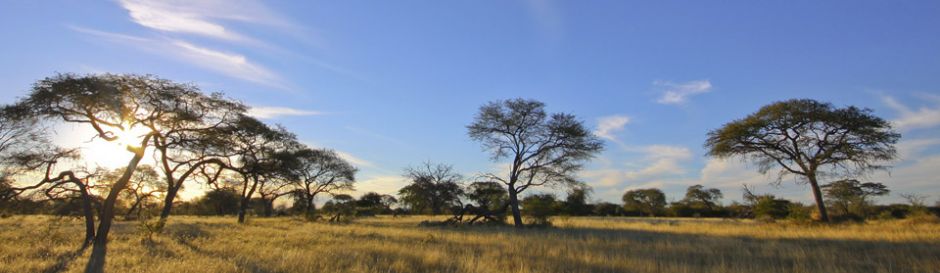
The Moremi Game Reserve, which makes up about a quarter of the Delta’s total land area, forms a contiguous area with the Chobe National Park and is a mix of wetland and desert.